
Why Sleep Suffers and How Yoga Helps
Restless nights are usually no mystery. Stress piles up. The doomscrolling doesn’t stop. Your brain stays wired long after your body begs for rest. Between constant notifications, late night emails, and streaming just one more episode, most of us stumble into bedtime overstimulated and under relaxed. That’s a recipe for broken sleep.
This is where evening yoga earns its place. Moving with intention, especially later in the day, taps the brakes on your nervous system. It tells your body: the day is done, let it go. Yoga, especially when paired with deep, steady breathing, helps lower cortisol levels your built in stress hormone that keeps you alert long after it’s needed.
There’s science behind it, too. Breathwork (pranayama) drives the parasympathetic nervous system the one responsible for rest and recovery. Slow movement increases body awareness, giving your mind a calmer place to focus. Together, these practices train your body to transition toward sleep instead of fighting it. You’re not just stretching; you’re retraining your system to wind down. And that’s the point.
What Makes a Good Nighttime Yoga Flow
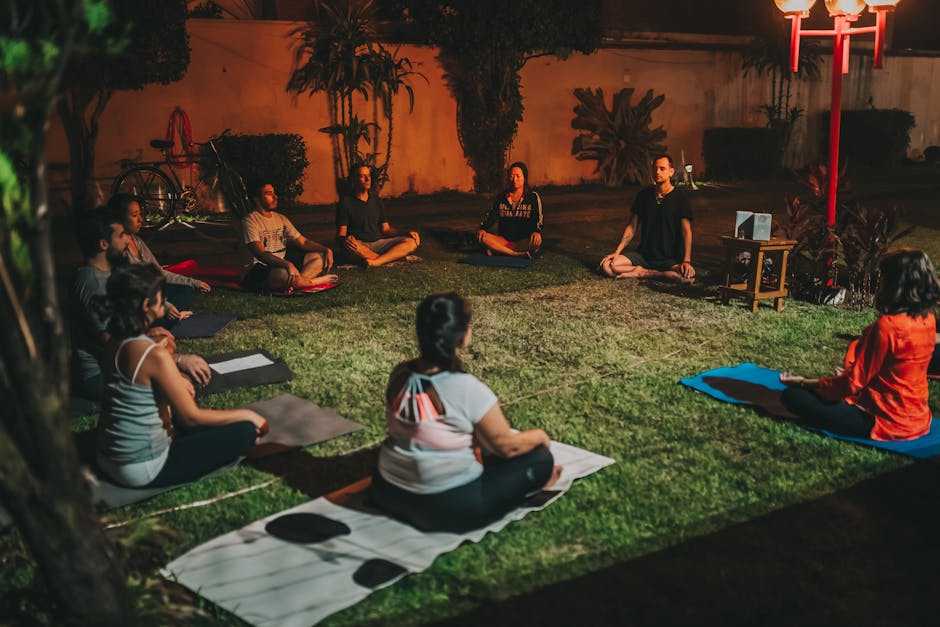
Yoga before bed should feel like a slow exhale, not a sprint. The goal isn’t to break a sweat it’s to tell your nervous system it’s safe to unplug. Vigorous flows work well in the morning or mid day, but at night, intensity keeps the body too alert. If you’re trying to sleep better, stick to movements that soothe.
This is where hip openers, forward folds, and spinal twists do the heavy lifting. These poses target places where stress nests lower back, hips, and shoulders. They help release that tension without jolting your system. Think deep lunge holds, seated folds, and simple side twists from your back.
Breath makes everything more effective. Match each movement with a slow inhale or exhale. Let your breath lead the way: deep in through the nose, long out through the mouth. The slower you breathe, the easier it is for your body to shift into rest mode.
If you’re not sure where to start, here’s a full nighttime yoga routine designed to wind you down the right way.
Legs Up The Wall Gentle inversion to quiet the nervous system
This one’s as simple as it sounds: lie on your back and slide your legs up the wall. No fancy setup needed, just a firm surface and ten quiet minutes. The shape reverses the usual flow of gravity, easing tired legs and slowing the pulse. Blood drains gently back toward the core, signaling your body that the day is done.
It’s not flashy, but that’s the point. This pose takes you out of go mode. It calms the nervous system without demanding effort. Stay here long enough, and your thoughts slow down too. Preparation isn’t complicated just grab a folded blanket under your hips if you want more support.
Best used as the midpoint of your nighttime flow or a solo move when you’re too tired for anything else. Let gravity do the work, and you’ll feel the shift.
Try this proven nighttime yoga routine
Tips to Make Your Routine Stick
Creating a calming environment is just as important as the yoga poses themselves. A few intentional choices can signal to your body it’s time to unwind, making your evening practice more effective and easier to sustain.
Set the Mood for Sleep
Dim the lights: Lowering light levels helps stimulate melatonin production, preparing your body for rest.
Limit screen time: Turn off phones, tablets, and TVs at least 30 minutes before bed.
Designate a calm space: Even a small corner can become your go to place for relaxation if kept clean and clutter free.
Add Extra Tools for Relaxation
Play calming music: Choose gentle instrumental sounds, or nature inspired tracks to enhance the atmosphere.
Try guided audio flows: These can walk you through each pose and help maintain presence as your mind slows down.
Stay Consistent
Practice at the same time nightly: A regular schedule creates habit and trains your body to expect rest.
Keep it simple: Don’t overthink the routine. Start with a few poses and expand as it becomes part of your evening rhythm.
Over time, these small steps become signals that bedtime is near helping your nervous system downshift into a restful state.
Small Habit, Big Results
You don’t need an hour long yoga session or perfect form to make a difference. Even ten minutes before bed can train your nervous system to shift into rest mode no candles or chanting required. It’s not about bending like a pretzel; it’s about showing up for yourself, consistently.
The key is rhythm. When your body knows that movement, breath, and stillness come at the same time each evening, it starts to anticipate sleep. This isn’t performance. It’s maintenance. Think of it as brushing your brain before bed.
Start where you are. Skip the pressure, skip the apps. Sit, stretch, breathe. Over time, your body will remember what rest feels like. Let that be enough.
 Laurae Parhamim is the founder of Top Wellness Activity Hub, a comprehensive platform dedicated to promoting holistic health and wellness. With a passion for well-being and a deep understanding of the latest trends in health practices, Laurae has crafted a space that serves as a go-to resource for individuals seeking to enhance their physical, mental, and emotional health. Under Laurae's leadership, the platform offers a wide array of content, from nutritious eating tips to the intricacies of yoga, Pilates, and meditation. The goal is to provide valuable insights and practical advice that empower individuals to lead healthier, more balanced lives.
Laurae's dedication to wellness stems from a belief in the transformative power of healthy habits and mindful practices. Recognizing the importance of accessible, reliable information, Laurae has also integrated gear reviews and updates on wellness trends to ensure users are well-equipped on their journey to well-being. This comprehensive approach reflects Laurae's commitment to creating a platform that caters to both beginners and seasoned wellness enthusiasts. As the visionary behind Top Wellness Activity Hub, Laurae continues to innovate, inspire, and guide others towards achieving their wellness goals.
Laurae Parhamim is the founder of Top Wellness Activity Hub, a comprehensive platform dedicated to promoting holistic health and wellness. With a passion for well-being and a deep understanding of the latest trends in health practices, Laurae has crafted a space that serves as a go-to resource for individuals seeking to enhance their physical, mental, and emotional health. Under Laurae's leadership, the platform offers a wide array of content, from nutritious eating tips to the intricacies of yoga, Pilates, and meditation. The goal is to provide valuable insights and practical advice that empower individuals to lead healthier, more balanced lives.
Laurae's dedication to wellness stems from a belief in the transformative power of healthy habits and mindful practices. Recognizing the importance of accessible, reliable information, Laurae has also integrated gear reviews and updates on wellness trends to ensure users are well-equipped on their journey to well-being. This comprehensive approach reflects Laurae's commitment to creating a platform that caters to both beginners and seasoned wellness enthusiasts. As the visionary behind Top Wellness Activity Hub, Laurae continues to innovate, inspire, and guide others towards achieving their wellness goals.