
You’ve stood there.
Staring at the supplement aisle like it’s a puzzle you’re not supposed to solve.
Hundreds of bottles. Bold claims. Ingredients you can’t pronounce.
And zero idea which one actually does anything.
Sound familiar?
I’ve been there too. More times than I care to admit.
Most supplement advice is either written by people selling something or by people who’ve never taken a single pill.
This Supplements Guide Theweeklyhealthiness isn’t that.
I cut through the noise using real studies (not) press releases.
No hype. No jargon. Just what works, what doesn’t, and how to pick something safe.
You’ll learn what supplements even are. Which types show up in solid research. And how to read a label without feeling tricked.
That’s it.
No fluff. No upsell. Just clarity.
What Are Health Supplements? (No, They’re Not Magic)
I’ll cut to the chase: a dietary supplement is something you take to fill gaps in your diet. Not replace meals. Not cure disease.
Just fill gaps.
Think of it like this. Supplements are the supporting cast in your health story. Not the lead actor.
Not the director. Definitely not the script doctor.
You wouldn’t swap broccoli for a vitamin C pill and call it a day. I’ve tried that. It doesn’t work.
Your body needs real food first.
Here’s what most people miss: supplements aren’t regulated like prescription drugs. The FDA doesn’t approve them before they hit shelves. Drugs?
Yes. Supplements? No.
Big difference.
That means no clinical trials. No proof of safety or effectiveness before sale. Just a label and hope.
So what’s actually in them? Vitamins. Minerals.
Herbs. Amino acids. Enzymes.
That’s it. Nothing fancy. Nothing secret.
If you want real clarity on how to use them without guessing, start with the Supplements Guide Theweeklyhealthiness (it’s) the only guide I trust that doesn’t pretend supplements are shortcuts.
They’re not medicine. They’re not food. They’re tools.
And like any tool, they only help if you know how. And when. To use them.
Most people don’t.
Do you?
Navigating the Aisles: The 4 Main Categories of Supplements
I walk into a supplement store and feel like I’m in a cereal aisle designed by a chemist.
You’re not alone. Most people grab what their friend recommended (or) what’s on sale (or) what has “EXTREME” in the name.
That’s why I break it down into four real categories. Not five. Not seven.
Four.
Vitamins & Minerals
These are non-negotiable. Your body can’t make them. You need them.
Full stop. Vitamin D helps your bones absorb calcium. Iron carries oxygen in your blood.
Magnesium calms your nerves and helps muscles relax. Skip these, and no amount of green juice fixes it.
Herbal & Botanical Supplements
Plants. Ground up. Extracted.
Bottled. Turmeric fights inflammation. Studies back this (NIH, 2021).
Echinacea? Evidence is weak for cold prevention. But some people swear by it.
I don’t take either daily. I use them situationally. Like ibuprofen (not) breakfast.
Protein & Amino Acids
Whey. Collagen. BCAAs.
They help rebuild muscle after training. That’s it. Don’t buy collagen for “glowing skin” unless you’ve seen results yourself.
(Spoiler: most studies show minimal impact on skin elasticity in healthy adults.)
Specialty Supplements
Probiotics. Omega-3s. Creatine.
Probiotics can help after antibiotics (but) strain matters. Omega-3s from fish oil lower triglycerides (American Heart Association, 2022). Creatine?
Solid science. Improves strength and brain energy. One of the few supplements with decades of human trials.
This isn’t about stacking ten bottles. It’s about knowing what each category actually does. The Supplements Guide Theweeklyhealthiness cuts through the noise.
No hype, no fluff, just what works and what doesn’t. Start with one category. Fix one gap.
Then move on. Anything else is just clutter.
How to Pick a Supplement Without Wasting Money or Risking
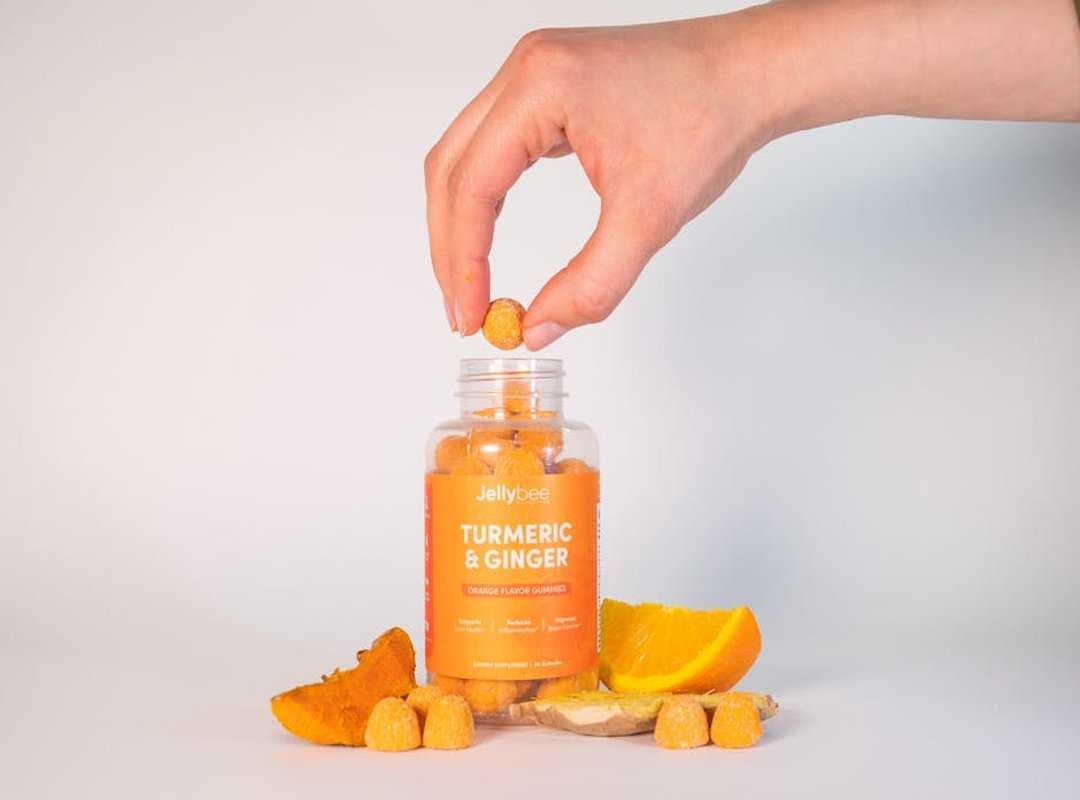
I’ve bought supplements I didn’t need. I’ve taken ones that gave me headaches for three days. I’ve stared at a bottle labeled “Energy + Focus + Clarity” and wondered what any of that even meant.
I covered this topic over in Nutrition advice theweeklyhealthiness.
So here’s what I actually do now. Not what the ads say.
Step 1: Talk to a real healthcare professional.
Not your cousin who reads WebMD. Not the guy behind the supplement counter who gets commission on every sale. A doctor.
Or a registered dietitian. They can run bloodwork. They’ll tell you if you’re low in iron, B12, or vitamin D (or) if you’re fine and just tired of being tired.
They’ll also check for drug interactions. (Yes, magnesium can mess with certain blood pressure meds.)
Skip this step and you’re guessing. And guessing with your body is dumb.
Step 2: Look for third-party certification.
That little seal from USP or NSF? It means someone tested the bottle. It confirms the label matches what’s inside (and) that it’s not spiked with lead or pesticides.
But (and) this matters (third-party) certification does not mean the supplement works.
It only means it’s clean and honest. That’s huge. But it’s not magic.
Step 3: Read the back label. Not the front.
Ignore “clinically studied,” “advanced formula,” and whatever else they slapped on in Comic Sans. Go straight to the Supplement Facts panel.
Check the active ingredient dose. Check the serving size (some brands hide tiny doses across 6 pills). Then scan “Other Ingredients.” If you see titanium dioxide, carrageenan, or a dozen unpronounceables.
Ask why it needs that much filler.
This isn’t complicated. It’s just ignored. For more practical tips like this, read more in our Supplements Guide Theweeklyhealthiness.
I skip brands that won’t list their manufacturer. I skip anything with “proprietary blend” hiding dosages. You should too.
Warning Signs: Skip the Supplement Hype
I’ve watched people flush money down the toilet on pills that do nothing. Or worse (hurt) them.
“More is better” is flat-out dangerous. Take vitamin A. Too much?
Liver damage. Iron overload? Real risk.
Your body isn’t a sponge.
Natural doesn’t mean safe. Look at kava. It’s plant-based.
Also linked to liver failure in some cases. And it messes with anxiety meds.
Miracle cures? Red flag. If it promises fast weight loss or “reverse aging” in 10 days, close the tab.
You don’t need magic. You need facts.
That’s why I rely on the Supplements Guide Theweeklyhealthiness (not) for hype, but for grounded, label-reading advice.
For deeper context, check the Nutrition Information Theweeklyhealthiness page.
Stop Guessing. Start Getting Answers.
I’ve seen too many people waste money on bottles they don’t need.
Or worse. Take something that clashes with their meds.
You’re tired of the noise. The bold claims. The vague labels.
The “just try it” advice.
That’s why I wrote the Supplements Guide Theweeklyhealthiness. Not to sell you anything. To give you a real filter.
You can use supplements well.
But only if you match them to your body (not) a trending TikTok video.
So before you click “add to cart”…
Before you swallow another pill without context…
Call your doctor. Or book time with a registered dietitian. Tell them your goals.
Ask about what’s safe for you.
That conversation is the first real step.
Everything else is just noise.
Do it this week.
Your future self will notice the difference.
 Albert Newman has been a dedicated contributor to Top Wellness Activity Hub, leveraging his extensive background in digital content creation to enrich the platform with engaging and valuable information. Known for his meticulous research and a knack for simplifying complex wellness topics, Albert focuses on producing content that is both informative and approachable. His articles cover a broad spectrum of wellness subjects, from healthy eating habits to the latest trends in yoga and fitness. Albert's ability to break down intricate health concepts into easily digestible insights has made the platform a trusted source for wellness advice.
Beyond his writing, Albert is also deeply involved in the content strategy and editorial planning of the platform. His collaborative approach ensures that each piece of content aligns with the platform’s mission to empower users on their wellness journey. Albert is always exploring innovative ways to engage readers, whether through interactive guides or personalized wellness tips. His commitment to creating high-quality, reader-centric content plays a significant role in the platform’s ongoing success.
Albert Newman has been a dedicated contributor to Top Wellness Activity Hub, leveraging his extensive background in digital content creation to enrich the platform with engaging and valuable information. Known for his meticulous research and a knack for simplifying complex wellness topics, Albert focuses on producing content that is both informative and approachable. His articles cover a broad spectrum of wellness subjects, from healthy eating habits to the latest trends in yoga and fitness. Albert's ability to break down intricate health concepts into easily digestible insights has made the platform a trusted source for wellness advice.
Beyond his writing, Albert is also deeply involved in the content strategy and editorial planning of the platform. His collaborative approach ensures that each piece of content aligns with the platform’s mission to empower users on their wellness journey. Albert is always exploring innovative ways to engage readers, whether through interactive guides or personalized wellness tips. His commitment to creating high-quality, reader-centric content plays a significant role in the platform’s ongoing success.